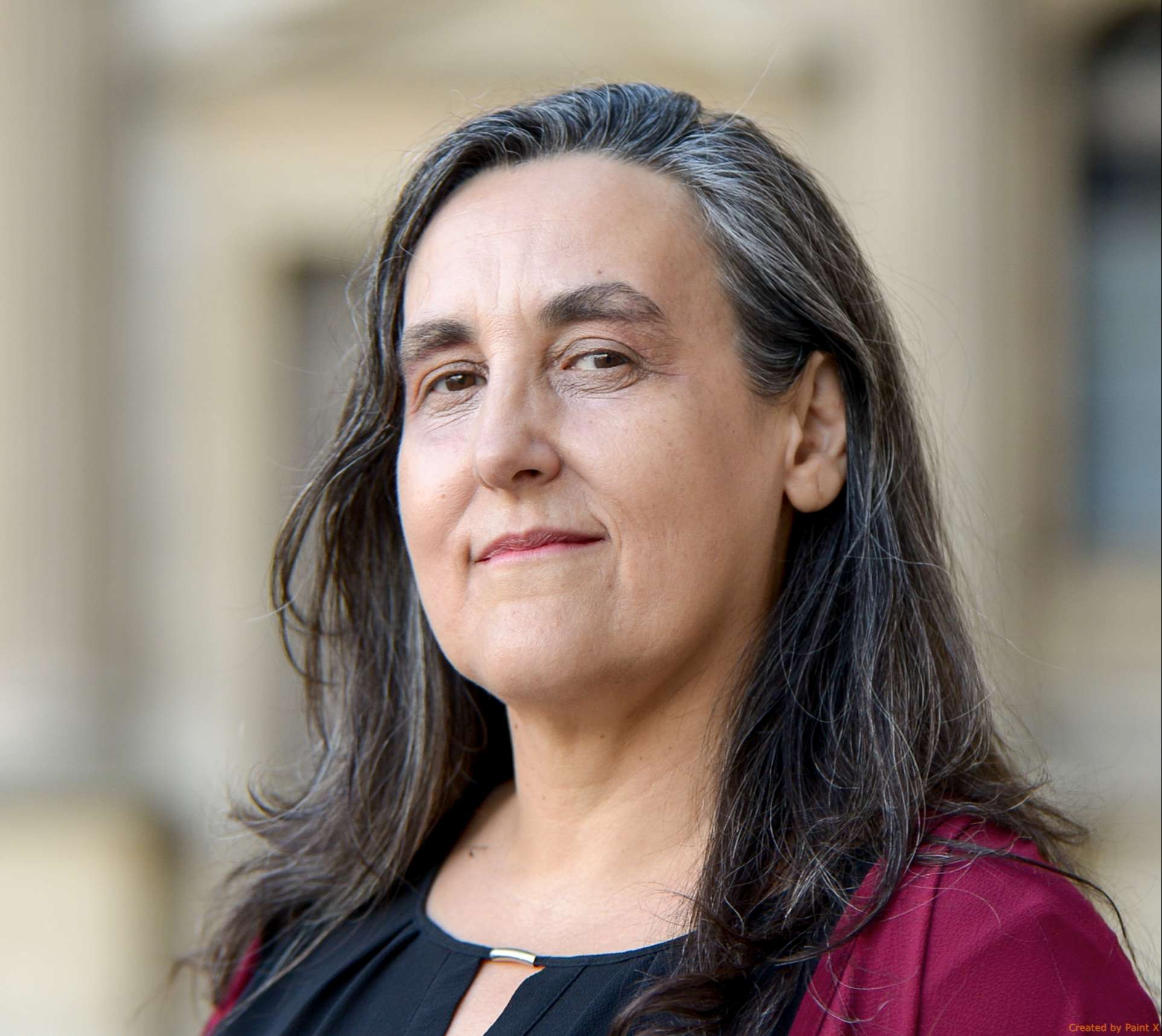
is an Architect, Urban Planner and Semiotician specialising in eco-semiotics and regenerative design. She holds a PhD in Semiotics (1996) from Aarhus University (Denmark) and a PhD in Communication Sciences (2000) from Universidade Nova de Lisboa (Portugal). She is Professor of Eco-Semiotics and Regenerative Urbanism in the Department of Architecture and Urban Planning at Universidade Lusófona, Portuguese representative and member of the Executive Committee of the International Association for Semiotics Studies (IASS), and President of the association Significant Design, which connects art, science and regenerative design. She is guest editor for international academic journals and publishers such as Springer, La part de l'oeil, Estudos Semióticos, Degrés, L’Harmattan (Spatial Semiotics) and Aracne (Visual Semiotics). Her research explores regenerative urbanism, spatial semiotics, morphodynamic processes, the relationship between built form and meaning, and the ecological dynamics of contemporary cities. More information and publications are available at: https://www.isabelmarcos.net/

This presentation shows how semiotics can contribute to urban foresight by reading the signs, narratives and imaginaries through which urban futures are already taking shape. It seeks to show how a semiotic approach makes it possible to identify weak signals, detect emerging values and interpret the competing trajectories that guide urban transformations. From this perspective, the city is not only a system to be managed, but also a meaning-producing environment in which spatial forms, political choices and cultural constructions are articulated. The presentation will introduce a prototype for a regenerative neighbourhood based on a three-level reading of the living world: vital conditions, built systems and symbolic structures. This framework makes it possible to understand that resilience in the face of climate disruption depends on the capacity to reorganise ways of inhabiting around the dynamics of the living world, shared meanings and regenerative values embedded in the long term. The objective is to show that regenerative urbanism constitutes not only a response to crises, but also a space of transformation, capable of opening up new urban forms of resilience, continuity and renewal.
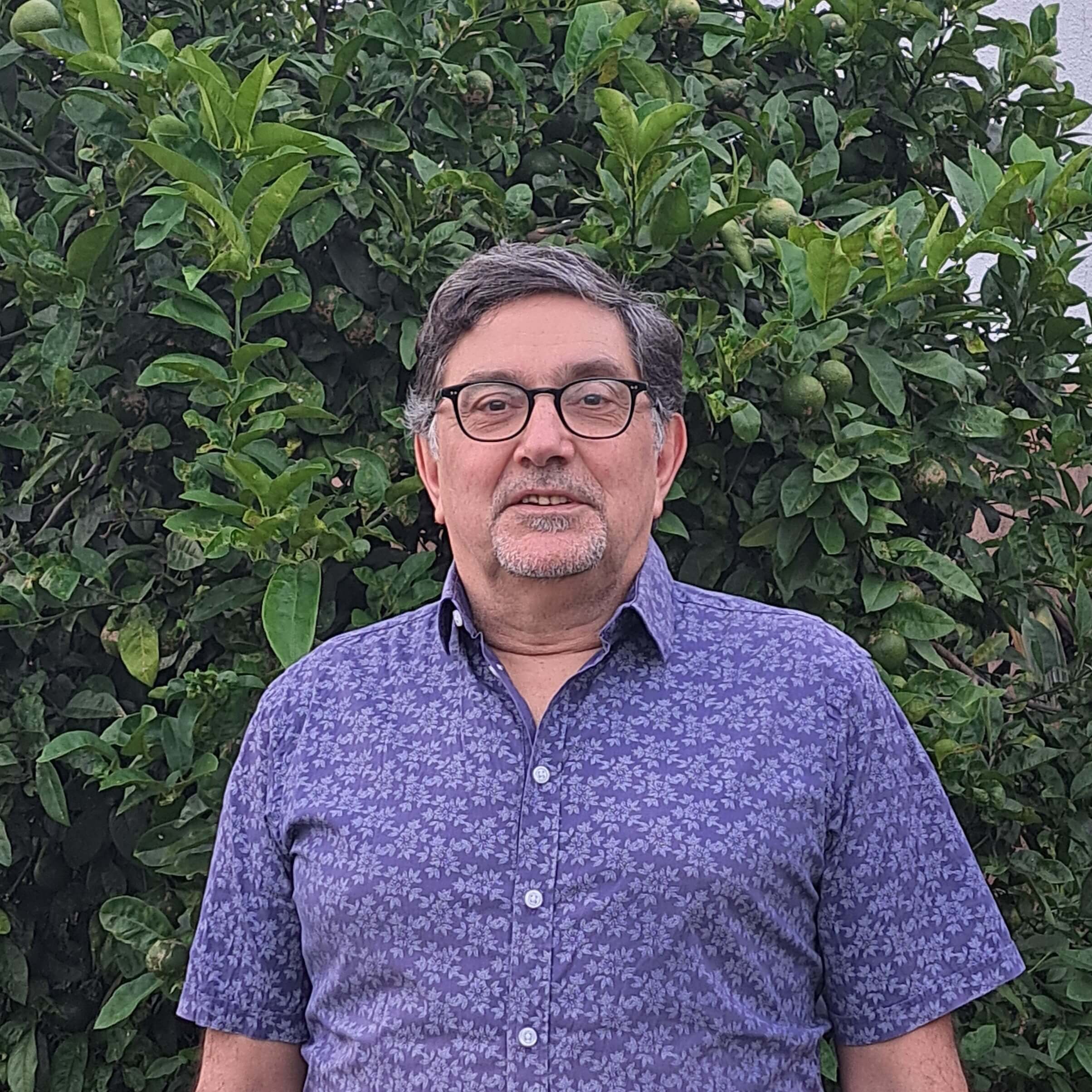
(PhD) is a Landscape Architect and Environmental Planner, graduated at the University of Hanover, Germany. He is Professor of Urban Landscape and Urban Ecology in the Department of Architecture and Urban Planning at Universidade Lusófona and associate researcher at the Interdisciplinary Research Centre for Architecture, Urbanism and Design (CIAUD - University of Lisbon). Smaniotto coordinates national and international funded research and practice-oriented projects. He has a vast experience in the fields of design of urban environment, open space planning and urban development projects in Germany and Brazil. His research activities deal with issues of sustainable urban development, landscape design, strategies for the integration of open spaces and nature conservation in urban contexts, participatory processes, and on the relationships between built and social life in cities. Smaniotto edited several international books and published widely in professional journals in Portuguese, English, German and Italian.
Urban planning anticipates and shapes the future by translating long-term goals into present actions through plans, strategies, and policies. Yet unsustainable urbanisation has increased ecosystem vulnerability to climate change impacts, prompting the growing prominence of resilience-oriented planning narratives that emphasise holistic foresight, long-term visioning, cross-sector integration, and collaborative governance. This contribution connects these narratives to the care and restoration of urban rivers. Historically crucial to settlement, food production, and transportation, many urban rivers have been straightened, channelised, culverted, or buried to manage risk and free land for development. However, competing demands and inadequate stewardship have degraded water quality and ecological function. We argue that reframing urban rivers as socio-ecological infrastructure can advance transformative, people-centred and environmentally sustainable development by delivering co-benefits for biodiversity, environmental stability, public health, and urban liveability.
Konstantinos Lalenis (MEng, PhD): Professor of Urban Planning and Urban Governance
at the Department of Planning and Regional Development of the University of Thessaly,
Greece. His areas of interest are urban and spatial planning, the institutional and legal
frameworks of urban planning in Greece and internationally, transport planning, urban
governance with emphasis on participatory processes in planning. His scientific interests
focus on the use of Blockchain technology in Spatial Planning and especially on the
recording and management of land ownership rights, the implications of Artificial Intelligence
uses on Participatory and Democratic Planning and the spatial impacts of urban resilience.
This presentation examines the new Local Urban Plan (LUP) for Athens, developed under the "Konstantinos Doxiadis"; Programme. The plan responds to acute challenges: aging building stock, green space deficits, traffic congestion, tourism-driven displacement (Airbnb), climate impacts, and functional decline of the city centre. Key planning directions include: prioritising social cohesion through the "15-minute city"; model and housing protection; pursuing a green, resilient city with zero net land sealing; promoting sustainable mobility; and rationalising urban planning via reduced building coefficients and Transferable Development Rights. The analysis highlights stakeholder divergences and assesses the consultation process. A comparison with Antonis Tritsis'; 1982 Urban Development Programme reveals a significant paradigm shift: from managing urban growth and informal construction to "recovery"; of the existing fabric. Contemporary tools (digital, climate resilience) contrast with weakened participatory processes and a shift from numerous local planning offices to a few large firms.
Keywords: Local Urban Plan; Doxiadis Programme; Athens Plan; participative
planning
Full Professor at Faculty of Architecture, University of Belgrade, Department of Urbanism, Belgrade, Serbia, adjukic@afrodita.rcub.bg.ac.rs
Full Professor with more than three decades of experience in academy and practice. Her field of professional activities and research is directed at urban design and planning, urban morphology, urban renewal, and heritage. She has published more than 300 articles and chapters in international and national scientific journals, books, and proceedings. She has participated in numerous national and international research projects and workshops as a manager and researcher. She has received numerous awards for competitions, awards in urban practice and research projects, and 3 awards for the best paper at International Congresses and published monographs. She was vice president of the Town Planning Association of Serbia and representative in ECTP-CEU and AESOP for Serbia.
Riverfronts have become central to contemporary urban development, increasingly valued as spaces for social interaction, public life, and sustainability. At the same time, their strategic and economic attractiveness has encouraged the rise of large-scale urban megaprojects, often driven by private investment. The megaproject development along riverfronts in Belgrade, with a particular focus on the Belgrade Waterfront (BW) project on the Sava River and Danube Port on the Danube River will be presented. As one of the most prominent urban interventions in the city’s recent history, BW has attracted extensive media attention and generated sharply divided public and professional responses. On the other side Danube Port is still in the planning phase. The perceptions of riverfront development among users, professionals, and the wider public will be discussed, highlighting tensions between public interest, transparency, and private-led decision-making. The BW project exemplifies broader trends in transitional societies, where top-down planning approaches frequently marginalize public participation. Strong civic opposition, grassroots activism, and critical media discourse reveal growing concerns about inclusivity, governance, and the long-term social implications of riverfront megaprojects. The projects for Danube Port have different approach, but are phasing many difficulties in realization.
Project Manager at the Building Directorate of Serbia (BDS), Belgrade, Serbia, branislav.d.popovic@gmail.com
Is an architect with over three decades of experience in urban planning, infrastructure development and regulatory processes. He currently works with multidisciplinary team on urban analysis projects within the National Building Directorate. His previous positions were Assistant Minister for unified procedures and legislation, Senior Manager in City Construction Authorities and large infrastructure projects. He has contributed to major urban infrastructure developments such as Porto Montenegro in Tivat, Belgrade Waterfront, West 65, Airport City and the BIG shopping center in Belgrade, including managing complex resettlement processes.
Riverfronts have become central to contemporary urban development, increasingly valued as spaces for social interaction, public life, and sustainability. At the same time, their strategic and economic attractiveness has encouraged the rise of large-scale urban megaprojects, often driven by private investment. The megaproject development along riverfronts in Belgrade, with a particular focus on the Belgrade Waterfront (BW) project on the Sava River and Danube Port on the Danube River will be presented. As one of the most prominent urban interventions in the city’s recent history, BW has attracted extensive media attention and generated sharply divided public and professional responses. On the other side Danube Port is still in the planning phase. The perceptions of riverfront development among users, professionals, and the wider public will be discussed, highlighting tensions between public interest, transparency, and private-led decision-making. The BW project exemplifies broader trends in transitional societies, where top-down planning approaches frequently marginalize public participation. Strong civic opposition, grassroots activism, and critical media discourse reveal growing concerns about inclusivity, governance, and the long-term social implications of riverfront megaprojects. The projects for Danube Port have different approach, but are phasing many difficulties in realization.
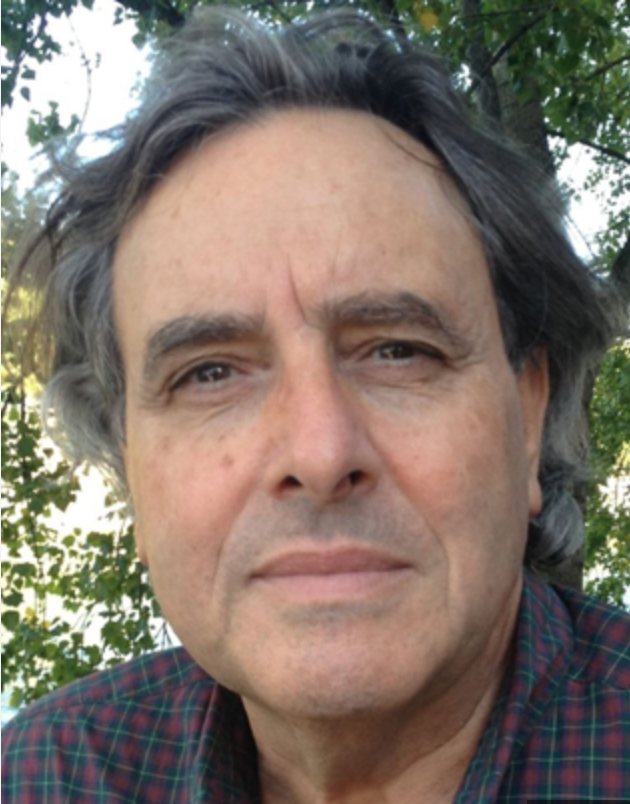
Albert Lévy is an associate researcher at LAVUE (UMR CNRS). An architect and urban planner, he holds a degree in architecture from the University of Geneva and a PhD in urban studies from the EHESS and the University Paris VIII. He taught at the School of Architecture of the University of Geneva and was a CNRS researcher within the laboratory Théorie des mutations urbaines, affiliated with the Institut français d’urbanisme at University Paris VIII. He also served on the editorial board of the journal Espaces et Sociétés. He is the author of numerous works on urbanism, architecture, and the transformations of the city. Among his notable publications is Les machines à faire croire. Formes et fonctionnements de la spatialité religieuse (2003). He also edited the volume Ville, urbanisme et santé. Les trois révolutions (Éditions Pascal, 2012), which is a landmark contribution to the study of the relationships between medicine, urban health, and urbanism. He further co-edited, with Alessia De Biase and María Castrillo Romón, the special issue Patrick Geddes en héritage of the journal Espaces et Sociétés (2016/4, no. 167). He regularly publishes analytical and opinion pieces on urbanism in the press and in scholarly and public debate journals...).


_(30_x_20_cm)_(logotipo_animado).png)
